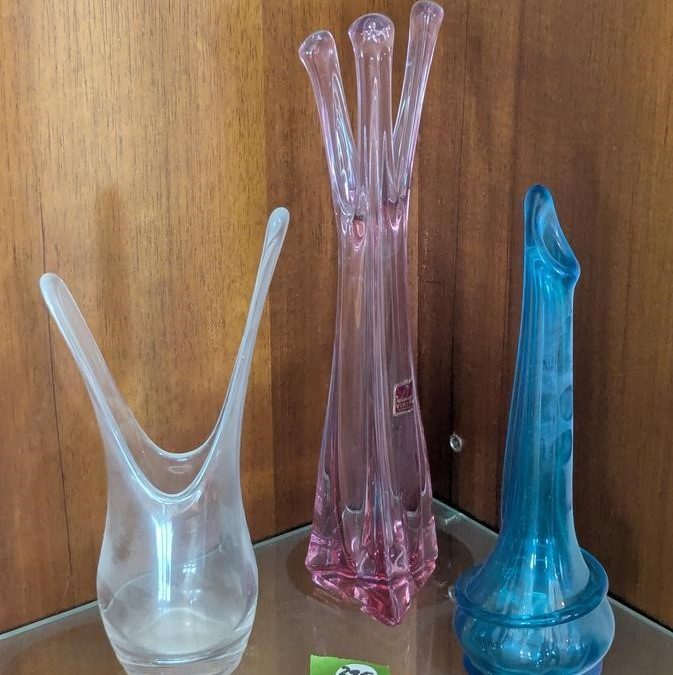
This Las Vegas estate auction case study began when an out-of-state family contacted Sunny Transitions after a loss in the family. They needed help with a difficult responsibility: a 4,449-square-foot northwest Las Vegas home that was absolutely packed with collectibles, jewelry, antiques and household contents.
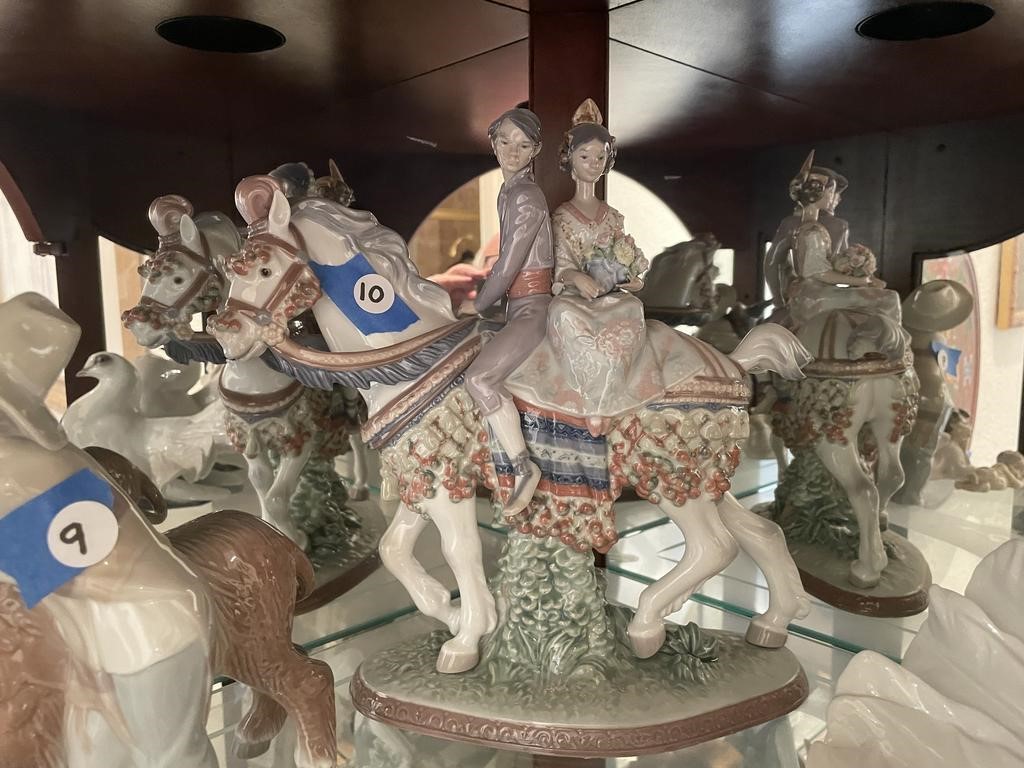
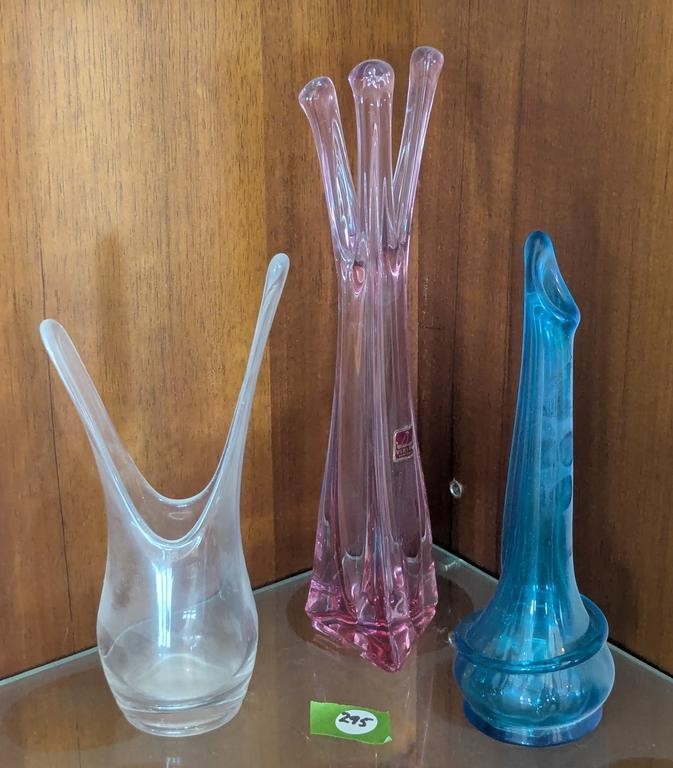
The owner had spent years collecting items from around the world. There were antiques, art, Lladro porcelain, Asian collectibles, Western pieces, Mexican silver, furniture, decorative objects, holiday collections and thousands upon thousands of smaller items.
Then there was the jewelry.
What began as a large Las Vegas estate auction became something much bigger: a months-long estate liquidation, a former jewelry-business liquidation and ultimately the highest-grossing estate project Sunny Transitions had handled to date.
By the time the project was finished, it had generated $241,034 in total gross proceeds for the estate.
The number is impressive. What happened inside the house is the more important story.
A Lifetime of Collecting in One Las Vegas Home
This wasn’t a house with a few valuable collections surrounded by ordinary household contents.
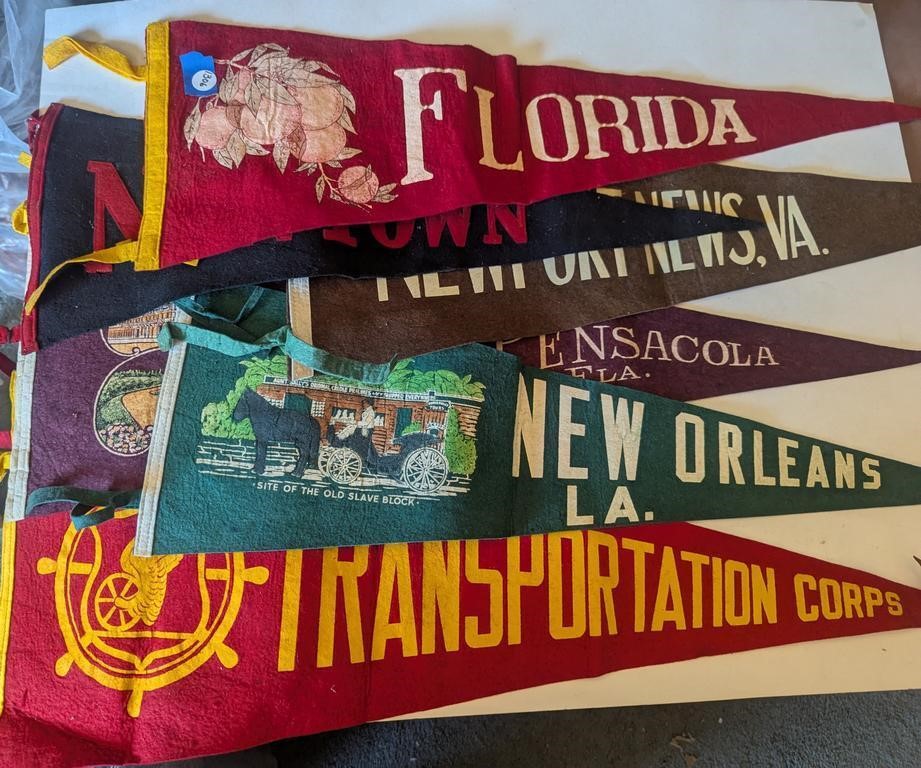
Collecting had been part of the owner’s life.
Rooms were filled with pieces acquired over many years and from many different places. Lladro figurines sat alongside Asian antiques, Western collectibles and gemstones, along with art, silver, ceramics, furniture and unusual decorative pieces found throughout the property.
Some things were immediately recognizable. Others required research.
And because there was so much material, it would have been very easy to underestimate what the collection was worth as a whole.
That became especially clear when we reached the garage.
The Garage Wasn’t a Cleanout
The family had initially considered simply having the contents of the garage cleaned out.
We advised them not to.
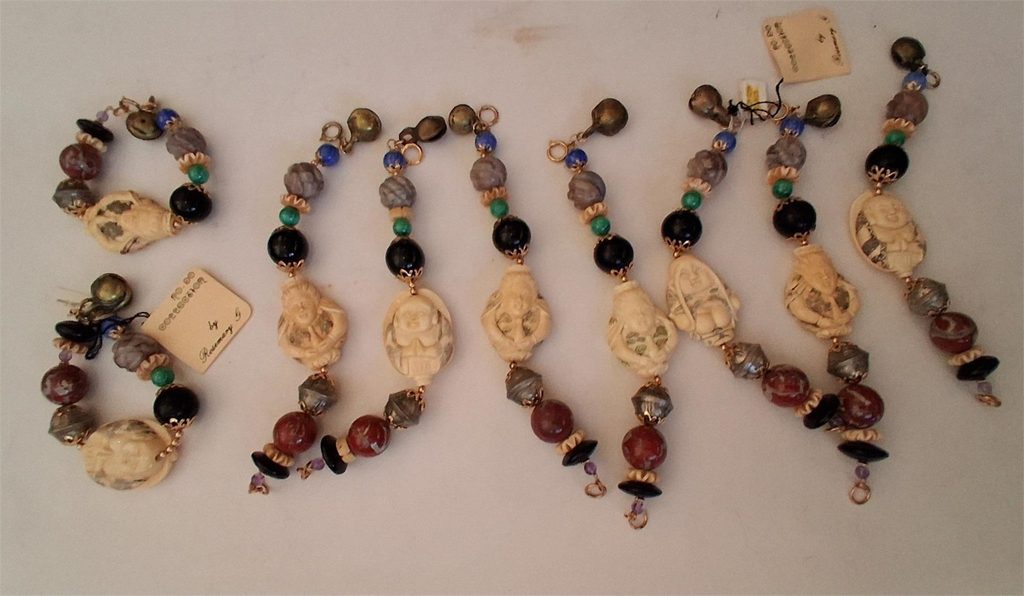
Mixed into that space was inventory from RoDo, a jewelry business the family had operated in the 1980s, with merchandise that had been sold through Saks Fifth Avenue.
There was a tremendous amount of remaining stock, but decades later it didn’t look like the organized inventory of a jewelry store.
Finished jewelry, loose pieces, stones, precious metals, components and other material were mixed together. Valuable items were sitting among things that could easily have been dismissed as ordinary garage contents.
We could see that there was significant value there.
So instead of clearing it out, we went to work.
Thousands of Pieces Had to Be Identified Correctly
Jewelry is one of those categories where small details can make an enormous difference.
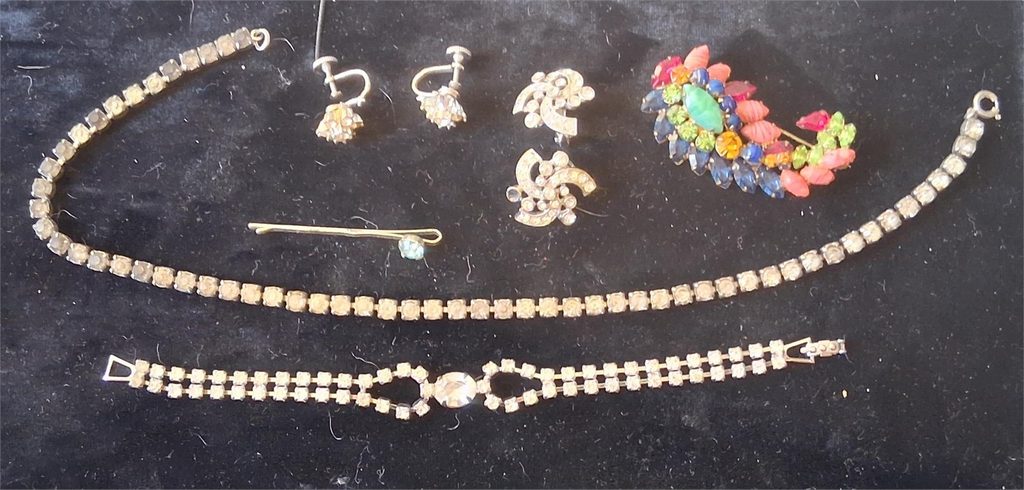
Our staff needed to identify gemstones and materials, recognize sterling silver and other precious metals, obtain accurate weights, research makers and write descriptions detailed enough for buyers to understand what they were bidding on.
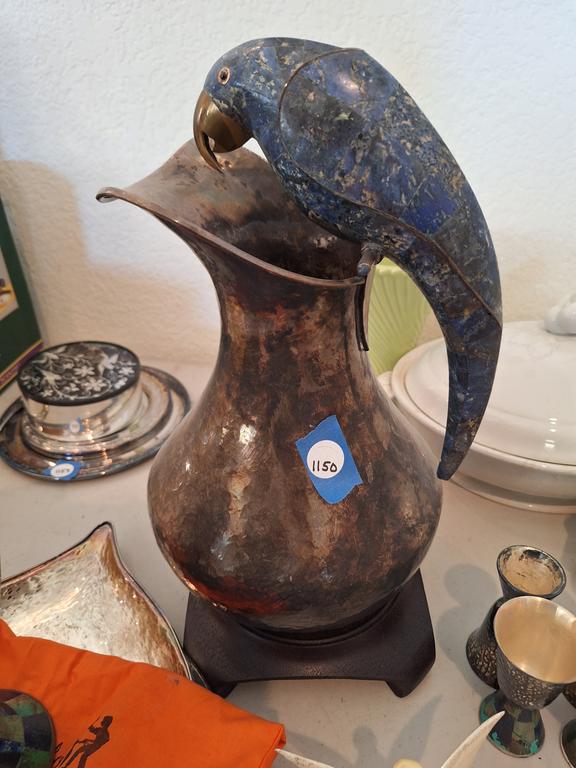
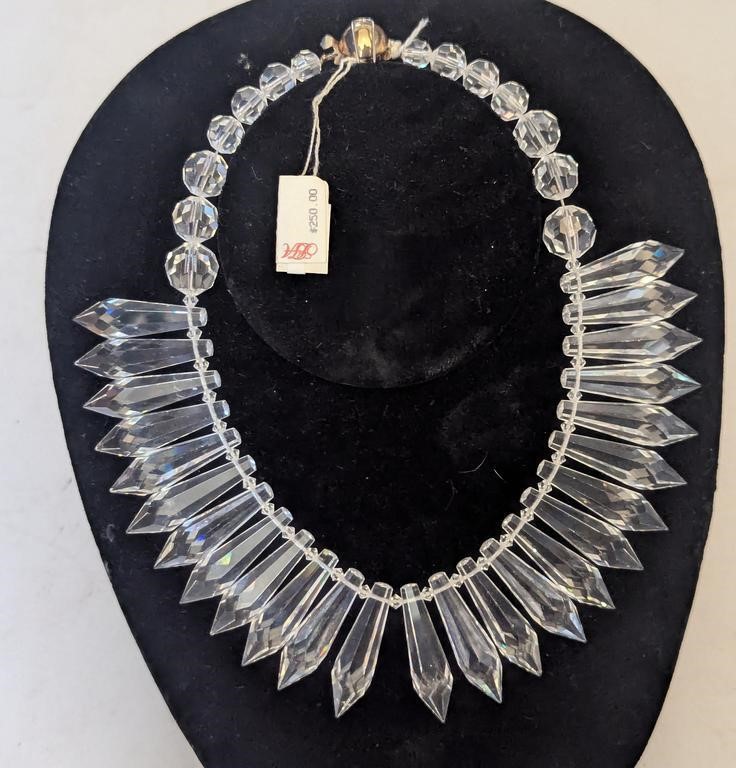
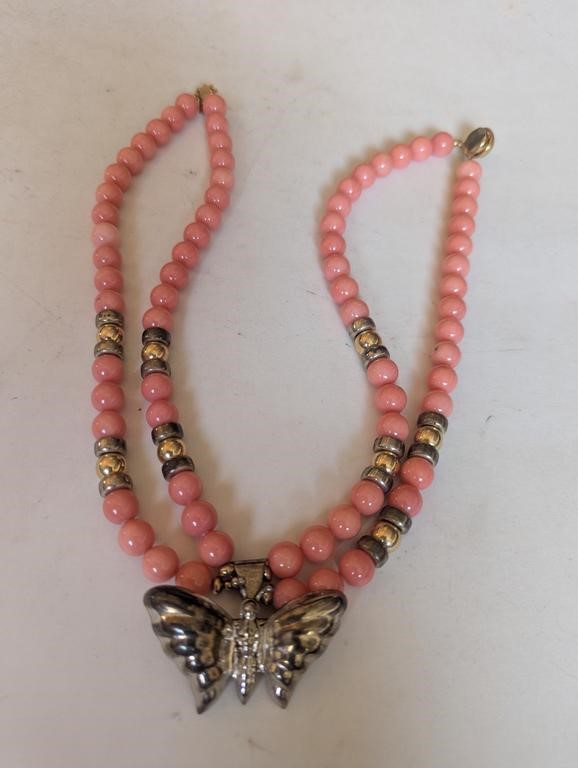
The collections eventually included Taxco and Los Castillo silver, Tiffany & Co., Antonio Pineda, turquoise, coral, carved jade, cameos, netsuke, malachite, lapis and many other gemstones and materials.
Some pieces were valuable finished jewelry. Some were better handled according to their precious-metal value. Gold and other valuable material also turned up scattered throughout the property in places where it could easily have been overlooked.
The important part wasn’t simply finding something shiny.
It was knowing what we were looking at and what to do with it once we found it.
More Than 8,000 Auction Lots From One House
The scale becomes easier to understand when you look at the auction records.
Together, those catalogs generated more than 40,000 individual bids, 259,000 lot views and 77,000 watches.
And those aren’t necessarily every sale connected with the project.
The auction records span everything from Asian, Western and gemstone collections to huge jewelry-focused sales, including one auction with nearly 1,400 jewelry and designer lots and another later sale devoted to Saks, RoDo, sterling, gemstone and vintage jewelry.
Eventually there was so much jewelry remaining that we had to move inventory off-site and continue cataloging and selling it after the work inside the house had progressed.
It just kept going.
The Success Wasn’t Built Around One Expensive Item
One thing makes this project particularly interesting.
It wasn’t a $241,034 result created by finding one painting worth $100,000.
Quite the opposite.
Across the seven auction files we analyzed, the median winning bid was only $15. About three-quarters of the sold lots closed at $25 or less.
That is exactly why taking the time to properly process the collection mattered.
An individual $15, $25 or $40 item may not seem significant when you’re standing inside a house containing thousands of objects. But multiply that value across thousands of properly identified, photographed and marketed pieces and the picture changes completely.
There were stronger individual results as well. The catalogs included a three-piece carved jade lot that brought $1,000, a signed Filippo Palizzi painting at $775, carved jade and stone figures at $600, a fluorite and metal lamp at $550, and a Lenox Autumn service at $500.
But the real accomplishment wasn’t finding one jackpot.
It was not overlooking thousands of smaller opportunities to recover value for the family.
Buyers Started Following the Collection
Conducting the estate as online auctions also meant we weren’t limited to shoppers who happened to live near the house.
Buyers came from across the country.
Our analysis of these seven auctions found 588 individual buyers, with bidders represented across 42 U.S. states and four Canadian provinces. About 45% of the buyers were outside Nevada, and out-of-state bidders accounted for nearly half of the winning-bid dollars in these records.
More importantly, buyers came back.
153 buyers purchased from at least two of the auctions, and 73 participated successfully in three or more.
One buyer from Utah ultimately purchased more than 1,100 lots across six of the auctions.
I remember that relationship developing in real time. Initially, purchases were being shipped. As we continued putting more jewelry online, the buyer began making the drive from Utah to Las Vegas to pick up purchases — and returned again as more of the collection became available.
That is what a nationwide online audience can do for an unusual estate.
We Had Something Many Estate Liquidations Don’t: Time
This project continued for months.
That wasn’t because this estate taught us that taking more time produces better results. We already understood that.
The unusual part was that the circumstances gave us enough time to do it.
That isn’t always possible. A property may need to be sold immediately. Families may face carrying costs or other deadlines. Every estate has different needs.
Here, we were able to work methodically.
Our staff could research unusual pieces instead of rushing past them. Jewelry could be separated and accurately described. Collections could be divided into auctions that made sense. New material could be brought to market as previous auctions ended.
Rather than trying to force thousands of items through a single sale, we could keep working until the job was actually finished.
Managing Everything for a Family Living Out of State
The family wasn’t standing beside us while any of this happened.
They were managing the property remotely while also dealing with a loss in their family.
That makes trust particularly important.
They couldn’t point out every valuable object because, in many cases, nobody knew those objects were there.
They needed us to recognize them.
When we found valuable jewelry and precious metals mixed throughout the property, they were handled appropriately. When something deserved research, we researched it. When we believed the garage contained far more value than a cleanout would recover, we told the family.
Over time, auction proceeds continued to come in as additional parts of the collection were processed.
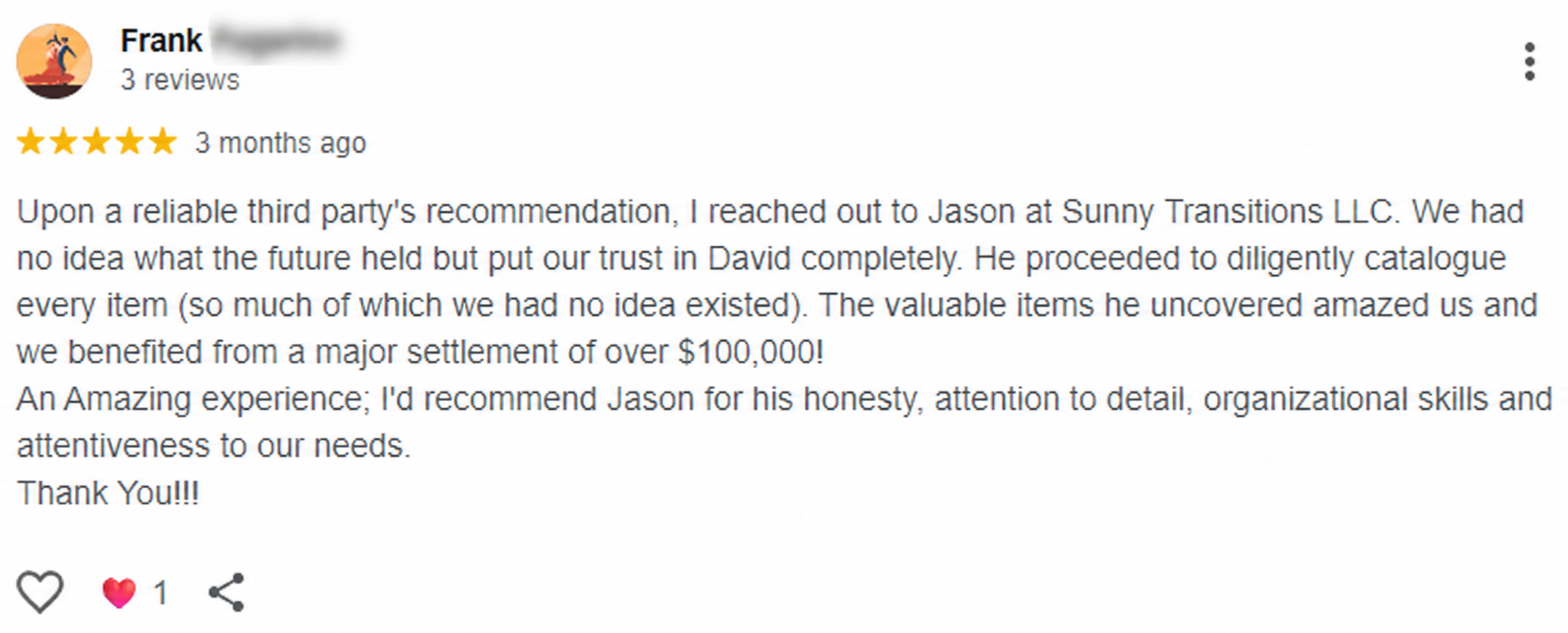
The family’s review afterward spoke to both their satisfaction with the financial results and the trust they placed in us throughout the process.
$241,034 in Gross Proceeds From One Estate
By the end of the project, the estate had generated $241,034 in total gross proceeds through the auctions and the appropriate disposition of other valuable property uncovered during the process.
We don’t share this project because every estate will produce that number.
They won’t.
We share it because this house is an unusually clear example of why knowing what you’re looking at matters.
A garage that looked ready for a cleanout contained the remains of a jewelry business.
Boxes of relatively inexpensive pieces became thousands of individual auction lots.
Buyers who initially lived hundreds of miles away became repeat customers.
And a family managing a difficult situation from another state was able to turn the entire project over to a team in Las Vegas and know it was being handled.
For Sunny Transitions, this remains one of the best examples of what our staff, experience and online auction process can accomplish when we’re given a substantial estate and enough time to do the job properly.
Do You Have a Large Estate or Collection in Las Vegas?
If you’re responsible for a Las Vegas home filled with jewelry, antiques, art, collectibles or a lifetime of accumulated belongings, don’t assume you already know what should be sold, donated or discarded.
That can be especially important if you’re handling the property from another state.
Sunny Transitions conducts professionally managed online estate auctions throughout the Las Vegas Valley, marketing collections to both local and nationwide buyers and managing the process from evaluation and cataloging through the completion of the auction.
Schedule a free consultation with Sunny Transitions before valuable property is overlooked.
Call Jason Kinas, Owner of Sunny Transitions, at 702-439-2928.